Updates, announcements, and insights from Thakur Systems & Structures.
The subscription limbo ends — from today Fable 5 is a standing part of Max and Team Premium plans, while Pro moves to usage credits with a $100 cushion.
The second extension in a week keeps Anthropic's Mythos-class model in paid plans through July 19, as the model wars heat up around it.
An independent M&A analysis estimated TSS's enterprise value at $4.4M–$6.4M. Here's what's behind that number — and, just as honestly, what it isn't.
Hours before Fable 5 was due to leave paid plans, Anthropic extends the included window by five days.
After 19 days offline, Anthropic says Fable 5 returns globally on July 1 with a new safety classifier — and a fresh included window through July 7.
A Pune coaching lab where every question finds a teacher — and one of the first projects of TSS's new financial year, built end to end by our software division.
US export controls force Anthropic to suspend its newest model for all users worldwide — an unprecedented step for a frontier AI release.
The first model of the Claude 5 family lands in Claude's paid plans today — included until June 22, then available through usage credits at API rates.
Thakur Systems & Structures Private Limited is officially registered under the Ministry of Corporate Affairs, Government of India.
Inside Anthropic's $200 million defense agreement — how it was struck, why 2026 got rocky, and what it means for AI in defense infrastructure.
OpenAI is exploring ads in ChatGPT while Anthropic keeps Claude ad-free. A look at diverging AI business models and what it means for professionals using AI in engineering.
Europe's defense spending surge and technology investment since 2022 is reshaping global defense infrastructure. What India can learn from Europe's pivot.
India's GTRE is developing a 120kN thrust aero engine for the AMCA fifth-generation fighter, marking a new chapter in defense manufacturing self-reliance.
A look at NASA's major milestones in March 2026 — from Artemis program progress to the X-59 quiet supersonic aircraft and continued Mars exploration.
A confirmed partnership bringing together two forward-thinking ventures to co-sponsor one of the most anticipated events in the innovation space.
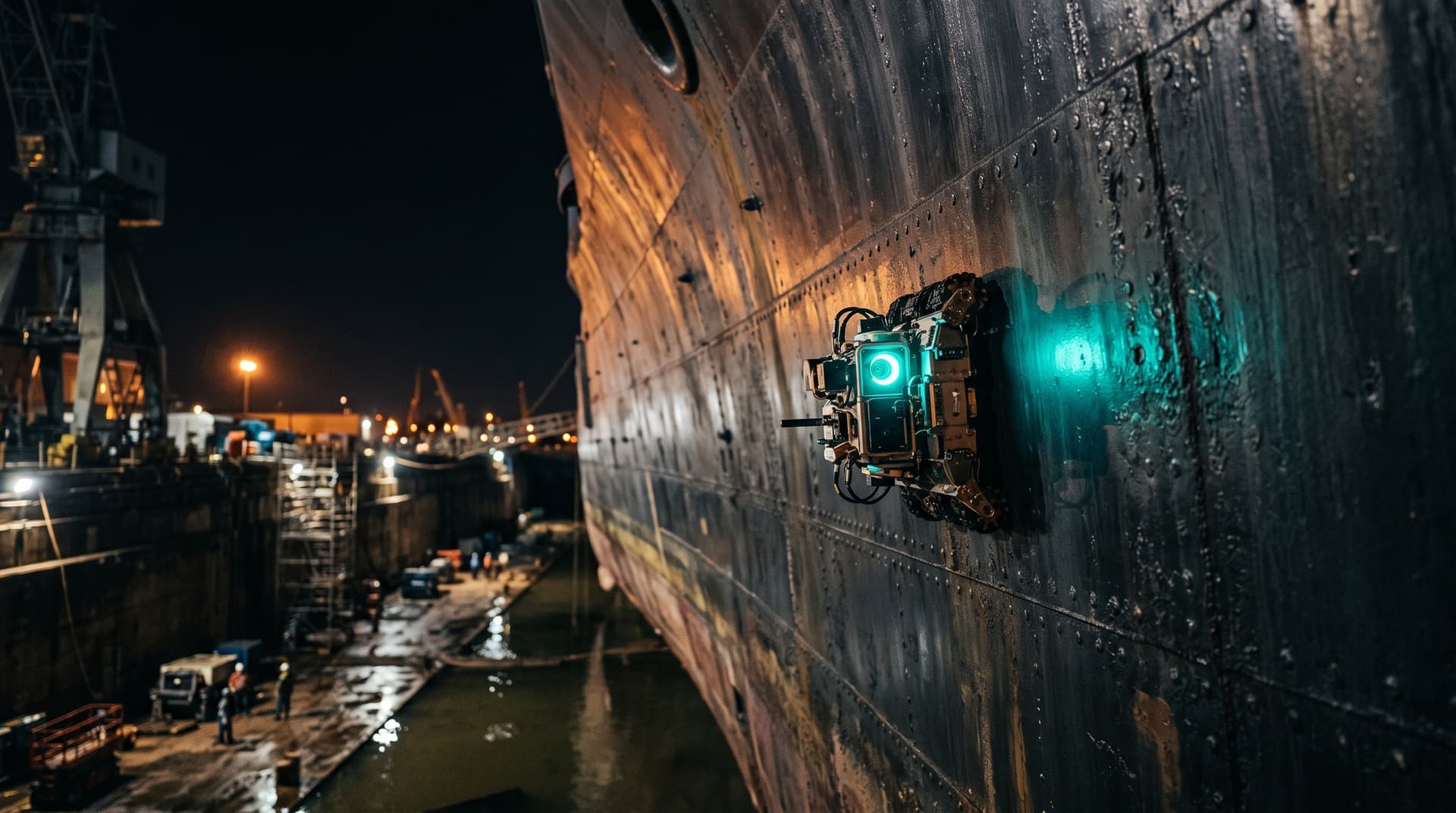
The US Navy is deploying wall-climbing robots for ship hull inspection, merging robotics with structural assessment in ways that reshape defense infrastructure maintenance.
SpaceX has crossed 10,000 Starlink satellites in orbit while the Raptor 3 engine redefines what manufacturing at scale looks like for space infrastructure.
India is at an inflection point. The decisions made about infrastructure in 2026 and 2027 will define the country's trajectory for decades.
Artificial intelligence isn't replacing structural engineers. It's giving them capabilities that were impossible a decade ago.
Modern defense isn't just about weapons systems. It's about the structures that house, protect, and enable them.
India builds more than almost any country on Earth. These technologies will determine whether it builds smarter.
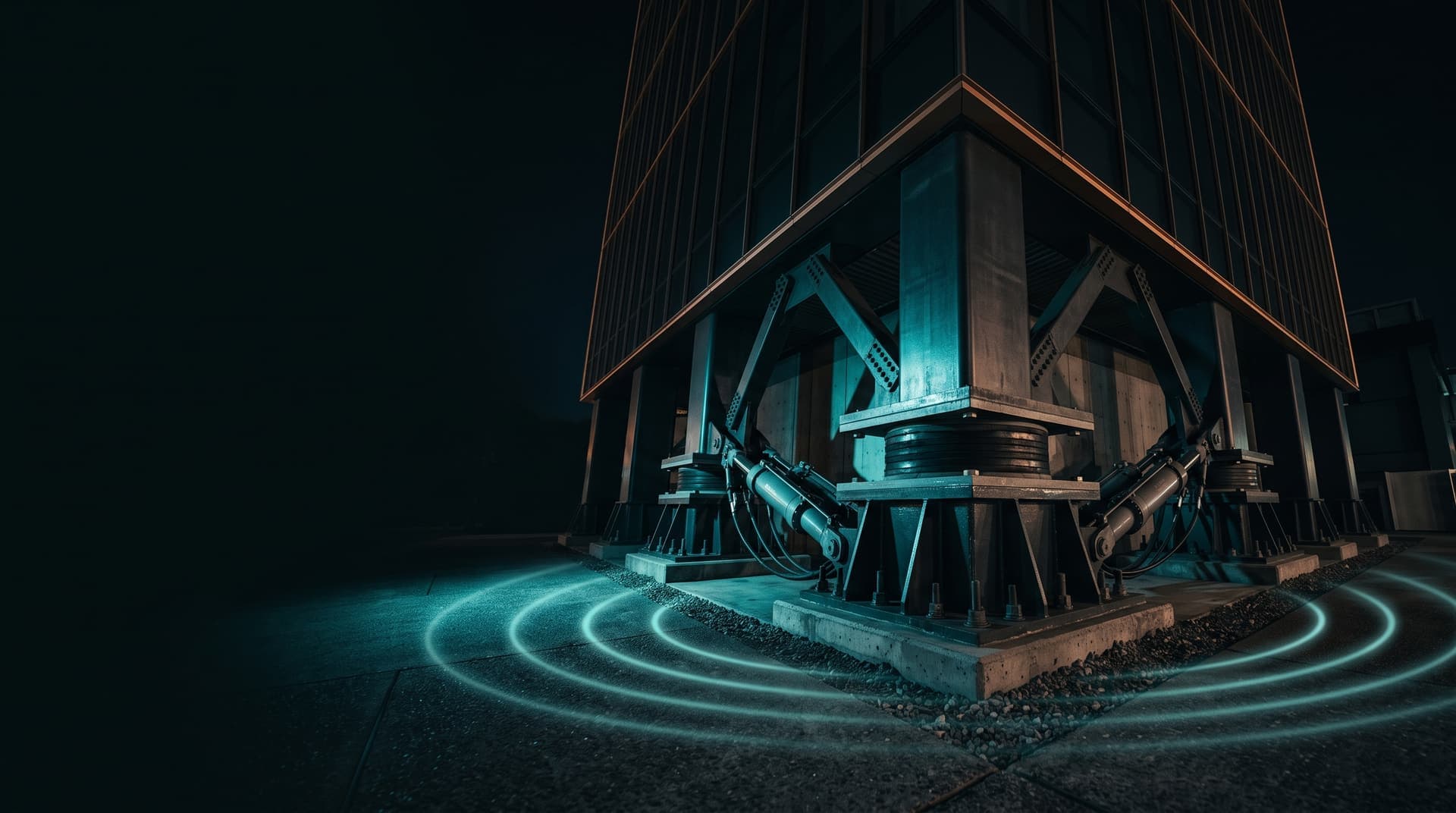
Every year, India experiences hundreds of earthquakes. The difference between survival and catastrophe often comes down to engineering decisions made decades earlier.
TSS didn't start in a boardroom or an incubator. It started with a conviction that India's infrastructure deserves bolder thinking.