The Future of Defense Architecture in India
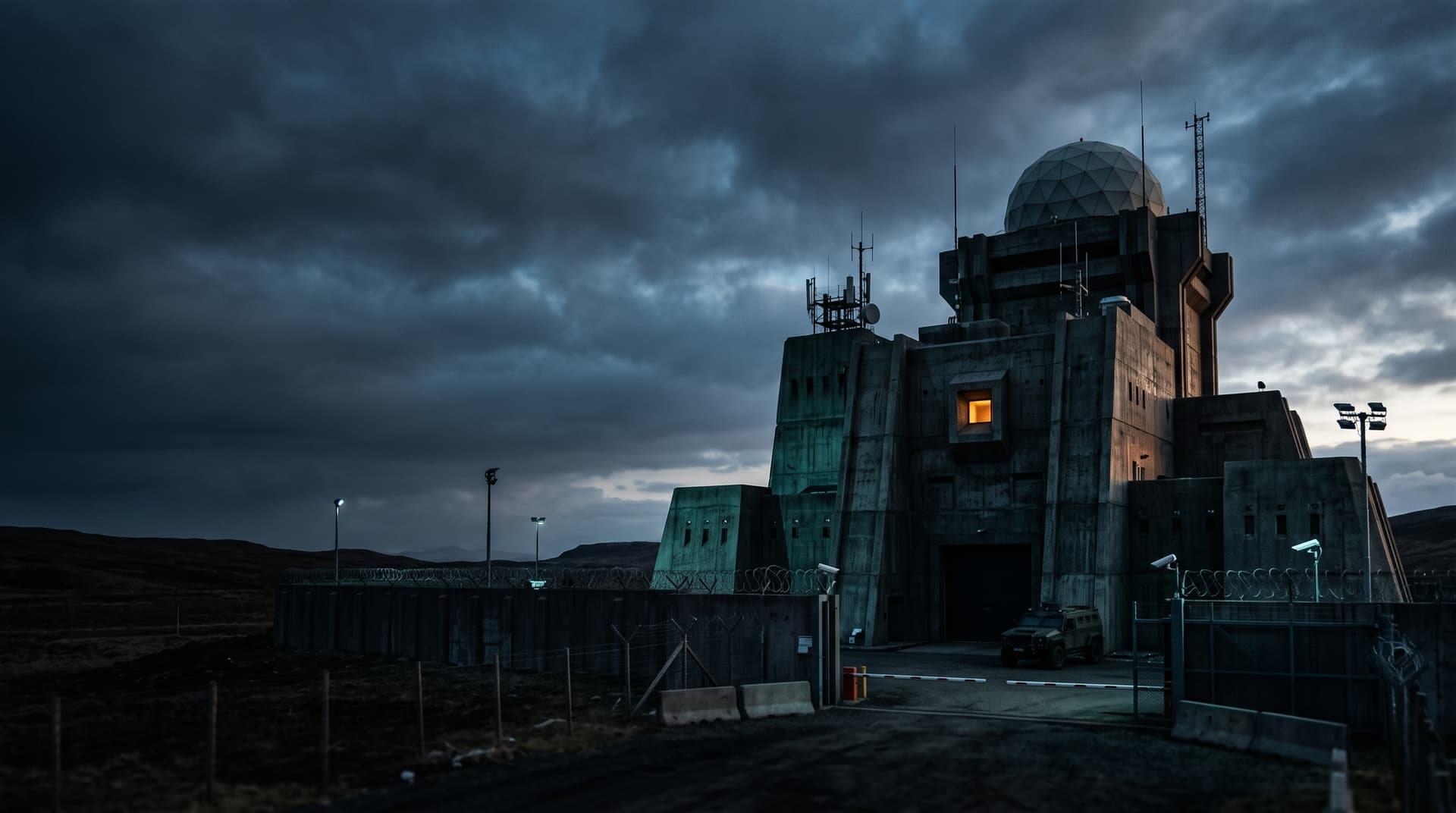
Modern defense isn't just about weapons systems. It's about the structures that house, protect, and enable them.
By TSS Team
A Sector in Transformation
India's defense sector is undergoing its most significant transformation in decades. The 'Make in India' initiative has set ambitious targets for domestic defense production. The defense budget for 2025-26 crossed ₹6.21 lakh crore. Indigenous platforms — from the Tejas fighter jet to the Arihant-class submarine — are entering service at an accelerating pace. But there's a dimension of defense modernization that receives less attention than it deserves: the physical infrastructure that underpins it all. Bases, command centers, ammunition depots, radar installations, airstrips, and barracks — these structures are the backbone of military capability. And they need to be reimagined for a new era of threats.
Evolving Threat Landscape
Precision Strike Weapons
Modern missiles and guided munitions can hit targets with meter-level accuracy. Traditional above-ground military infrastructure is increasingly vulnerable. The trend globally is toward hardened underground facilities, dispersed installations, and structures designed to absorb and withstand direct hits.
Drone Warfare
Low-cost drones can be used for surveillance, targeted strikes, and swarm attacks. Defending fixed installations against drone threats requires not just electronic countermeasures but also physical design considerations — protective overhangs, blast-resistant windows, and concealment features.
Cyber-Physical Attacks
Modern military infrastructure is networked. HVAC systems, power grids, communication equipment, and access control systems can all be targeted through cyber attacks. Defense architecture must incorporate physical resilience against infrastructure disruption — backup power, hardened communication lines, and electromagnetic shielding.

Design Principles for Defense Infrastructure
Blast Resistance
Blast-resistant design uses reinforced concrete, energy-absorbing materials, and geometric configurations that deflect and dissipate blast waves. The standoff distance — the space between a structure and a potential detonation point — is a critical design parameter. Modern blast-resistant structures can withstand significant explosive forces while protecting personnel and equipment inside.
Redundancy and Survivability
Military installations must continue to function even after sustaining damage. This requires redundant power systems, multiple communication pathways, distributed command capabilities, and modular construction that allows rapid repair and reconfiguration.
Concealment and Deception
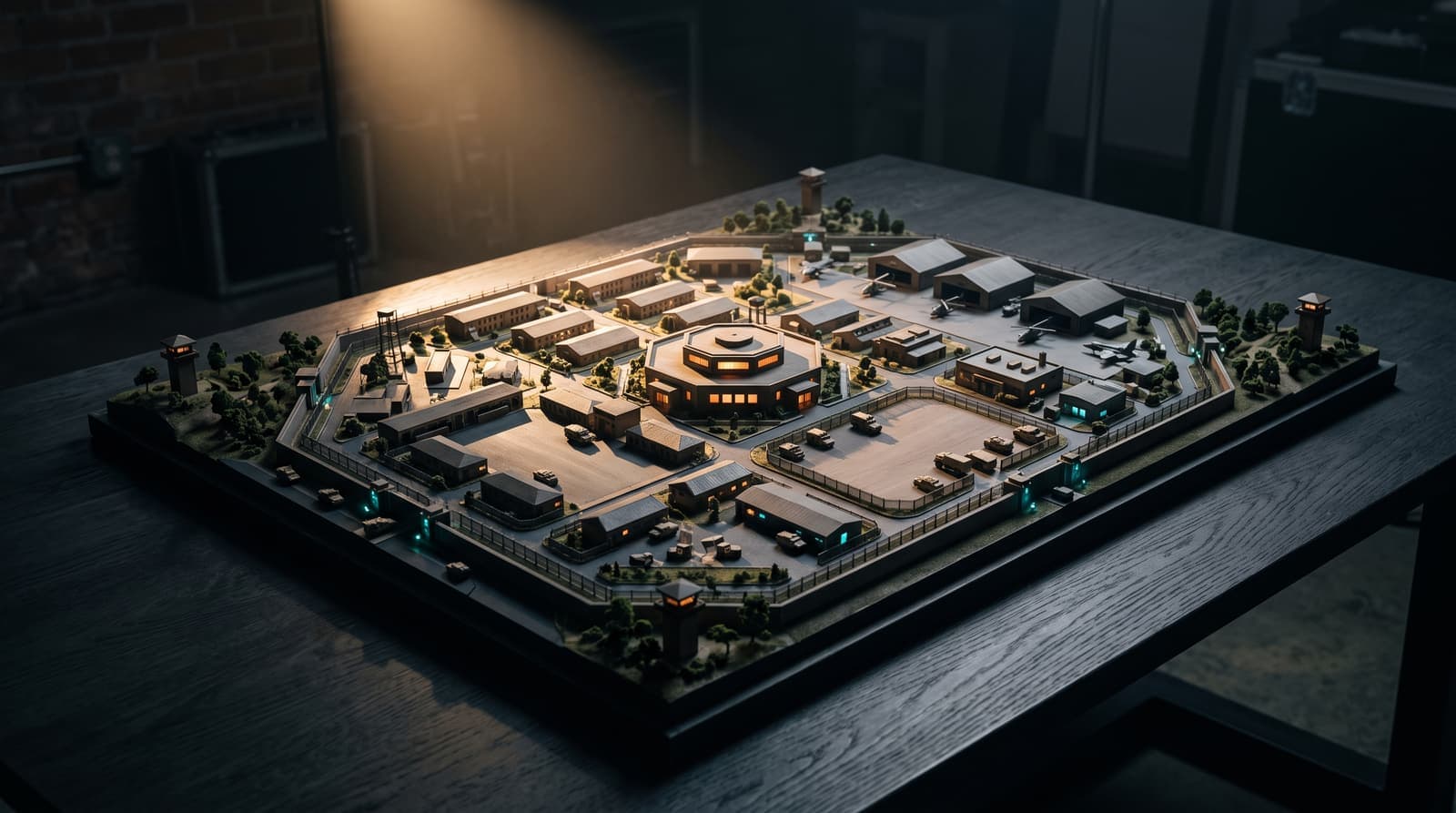
The best defense is sometimes not being found. Underground facilities, camouflaged structures, decoy installations, and radar-absorbing construction materials all play roles in modern defense architecture. India's mountainous terrain, particularly along the northern borders, offers natural concealment advantages that can be enhanced through engineering.
India's Opportunity
India has the opportunity to leapfrog older approaches to defense infrastructure. Rather than replicating Cold War-era designs, India can incorporate smart materials, AI-driven monitoring, modular construction techniques, and renewable energy systems into its defense installations from the ground up. The integration of civilian and military infrastructure — dual-use facilities that serve both peacetime and wartime purposes — is another area where innovative architectural thinking can deliver significant value.
TSS and Defense Engineering
Defense-grade structural engineering is one of TSS's founding verticals. We're researching blast-resistant materials, studying underground installation design, and exploring how AI can enhance the survivability and operational efficiency of military infrastructure. We believe India's defense infrastructure should be as advanced as the weapons systems it supports.
Infrastructure that defends as well as it serves.