5 Technologies That Will Change Indian Construction by 2030
India builds more than almost any country on Earth. These technologies will determine whether it builds smarter.
By TSS Team
1. 3D-Printed Construction
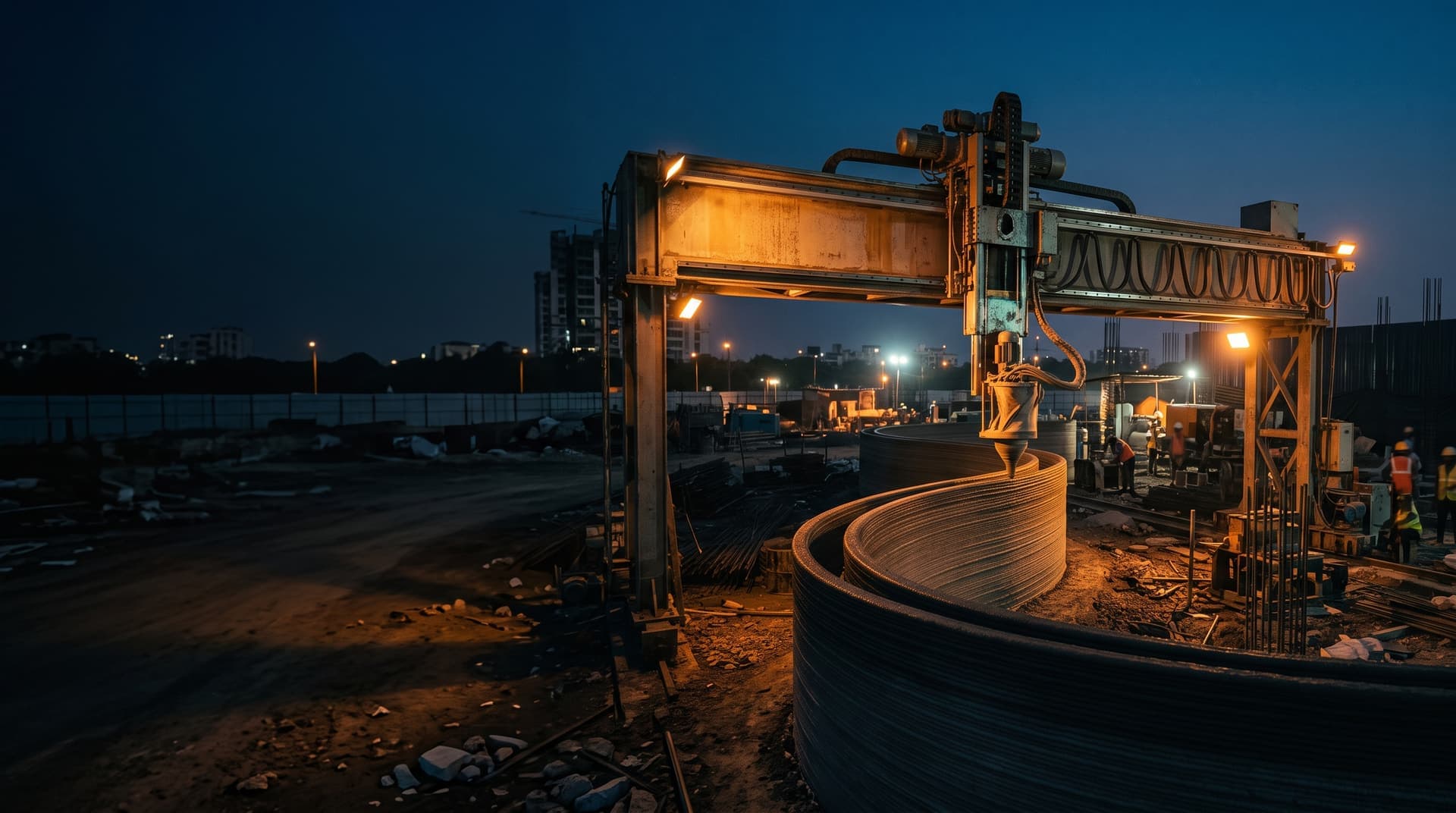
3D printing in construction has moved from laboratory demonstrations to real-world buildings. Companies in China, the UAE, and the United States have 3D-printed habitable structures in under 24 hours, at a fraction of traditional construction costs. In India, IIT Madras has already demonstrated 3D-printed building components. The technology is particularly promising for affordable housing — India faces a shortage of nearly 19 million urban homes. 3D printing can reduce material waste by up to 60%, cut labor requirements by 80%, and dramatically accelerate construction timelines. By 2030, expect to see entire housing colonies built using additive manufacturing techniques.
2. Self-Healing Concrete
Concrete cracks. It's inevitable. But what if concrete could repair itself? Self-healing concrete embeds bacteria or microcapsules filled with healing agents within the concrete mix. When cracks form, these agents are released, filling the crack and restoring structural integrity. Dutch researcher Henk Jonkers pioneered bio-concrete using limestone-producing bacteria. The technology is now being commercialized. For India, where concrete deterioration costs billions annually in maintenance and repair, self-healing concrete could be transformative — particularly for bridges, dams, and coastal infrastructure exposed to harsh environments.
3. Modular and Prefabricated Construction
Modular construction — where building components are manufactured in a factory and assembled on site — is already mainstream in countries like Singapore, Sweden, and Japan. India is catching up. Companies like Modulex and Magicrete are demonstrating that modular construction can reduce project timelines by 50% while improving quality control. For India's smart city ambitions, modular construction offers speed and consistency at scale. Hospital wings, school buildings, affordable housing, and even military barracks can be prefabricated and deployed in weeks instead of months.
4. AI-Powered Construction Management
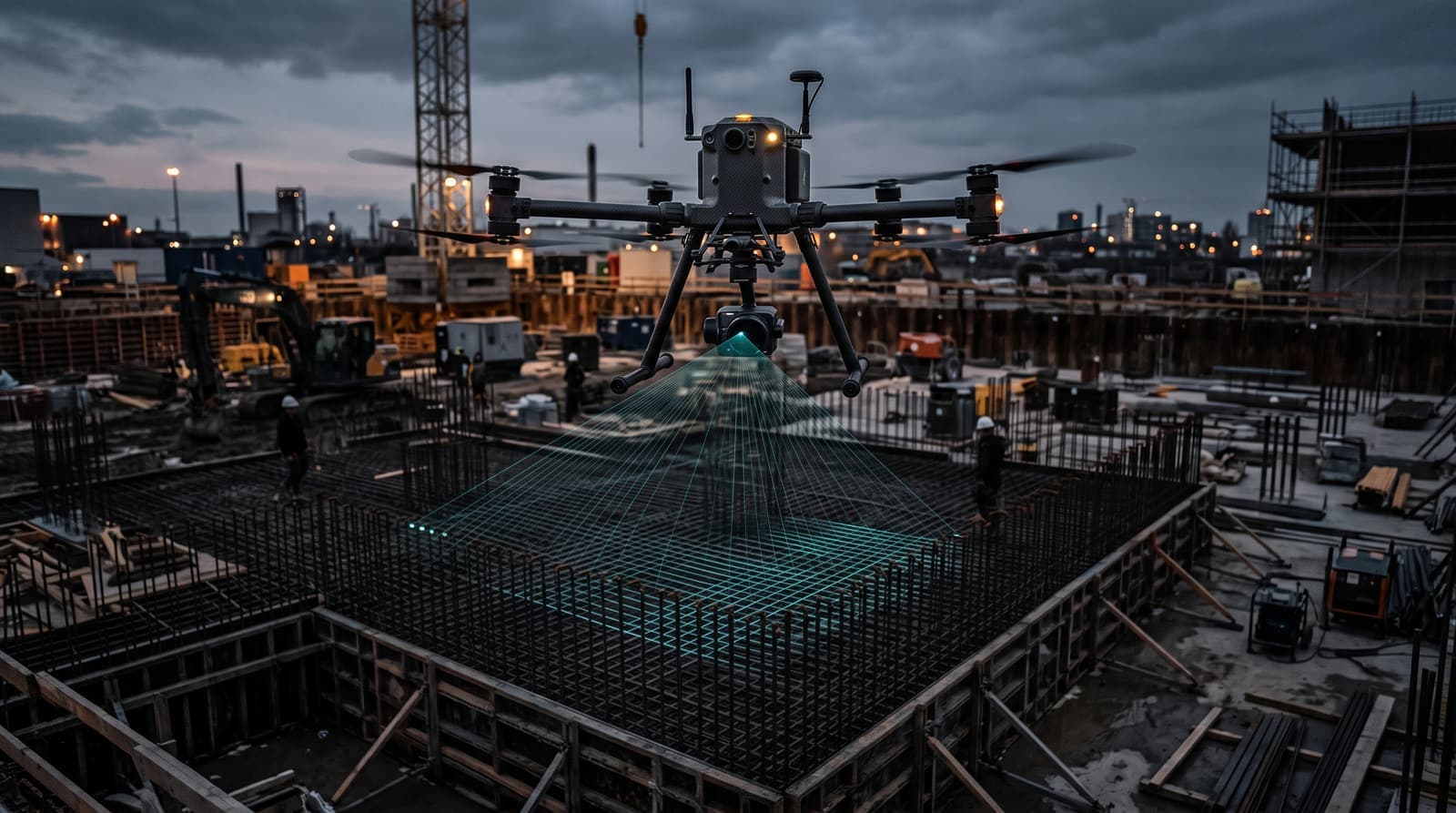
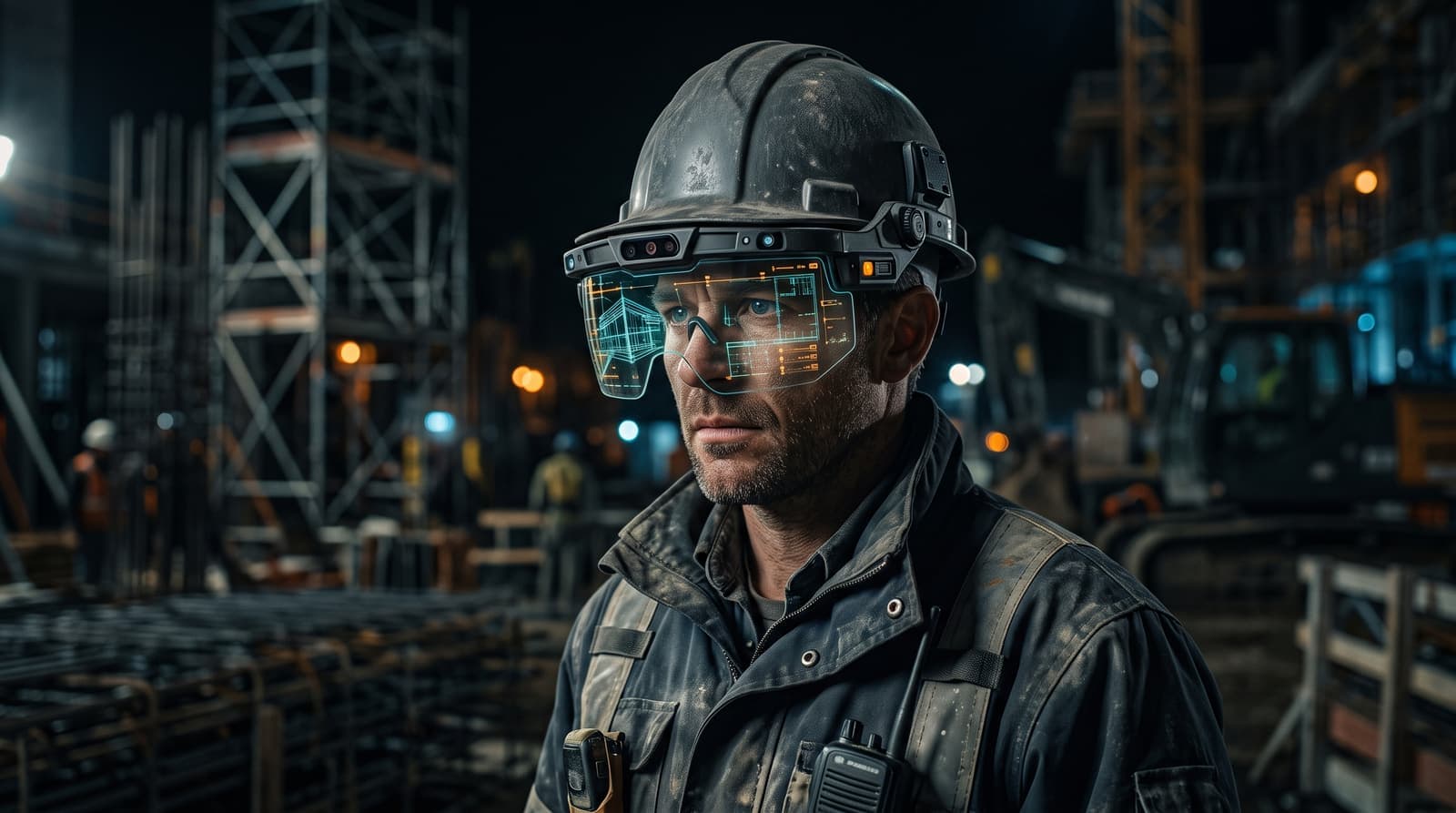
Construction projects in India routinely exceed budgets and timelines. AI-powered project management tools are changing this by analyzing historical data, weather patterns, supply chain logistics, and workforce availability to optimize scheduling and resource allocation. Computer vision systems mounted on construction sites can track progress, identify safety hazards, and flag deviations from blueprints in real time. Drones equipped with LIDAR and photogrammetry cameras can survey large sites in hours instead of weeks. The Indian construction industry, valued at over $800 billion, stands to save hundreds of billions through AI-driven efficiency gains.
5. Green and Sustainable Building Materials
The construction industry accounts for nearly 40% of global carbon emissions. India, as one of the world's largest cement and steel consumers, has both the responsibility and the opportunity to lead in sustainable construction materials. Bamboo-reinforced concrete, geopolymer cement (which produces 80% less CO2 than Portland cement), recycled steel, and fly ash bricks are all available today. Cross-laminated timber (CLT), popular in Europe and North America, is beginning to gain attention in India for mid-rise construction. The future isn't just about building more — it's about building responsibly.
Why TSS Is Watching
At TSS, we don't just track these technologies — we evaluate them through the lens of real-world applicability in India. What works in a Scandinavian climate may need significant adaptation for Indian conditions. What's commercially viable in a mature market may need a different economic model for emerging markets. Our goal is to identify the technologies that will have the greatest impact on Indian infrastructure and to integrate them into our engineering practice.
The next decade of Indian construction starts now.