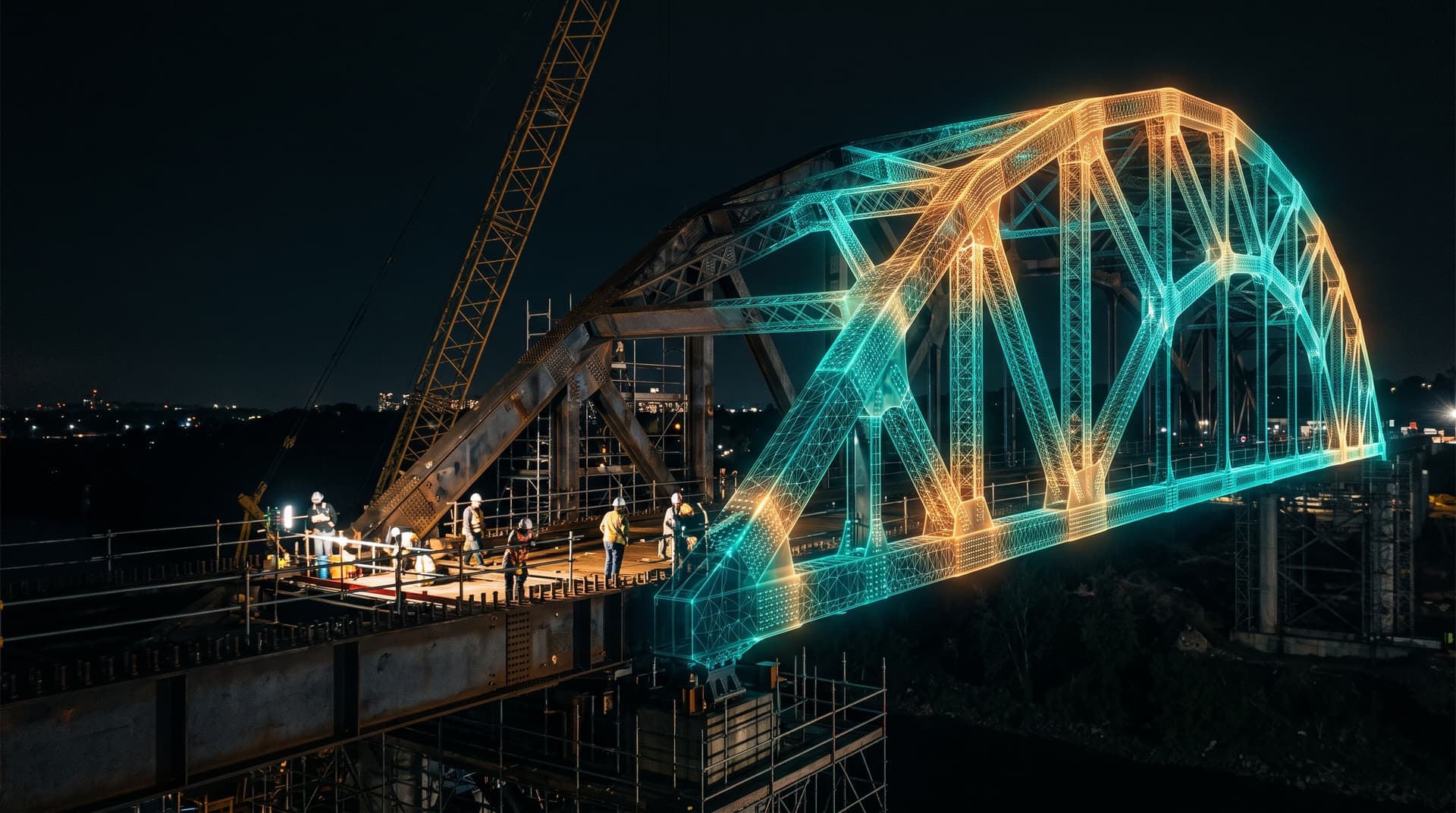
How AI Is Transforming Structural Engineering
Artificial intelligence isn't replacing structural engineers. It's giving them capabilities that were impossible a decade ago.
By TSS Team
The Quiet Revolution
When most people think of AI, they think of chatbots and image generators. But some of the most consequential applications of artificial intelligence are happening in fields far from Silicon Valley — in structural engineering labs, construction sites, and infrastructure monitoring centers across the world. AI is enabling engineers to simulate decades of structural stress in hours, detect invisible cracks in bridges before they become dangerous, and design buildings that use 30% less material while being stronger than ever. This isn't science fiction. It's happening now.
Predictive Structural Analysis
Traditional structural analysis relies on periodic manual inspections — an expensive, slow, and often imprecise process. AI-powered monitoring systems use networks of sensors embedded in structures to continuously collect data on vibration, load distribution, temperature, and material fatigue. Machine learning models analyze this data in real time, identifying patterns that human inspectors would miss. The result? Structural failures can be predicted weeks or months before they happen, allowing for targeted maintenance instead of costly emergency repairs. In India, where thousands of bridges and flyovers are aging simultaneously, this capability isn't just useful — it's critical.
Generative Design
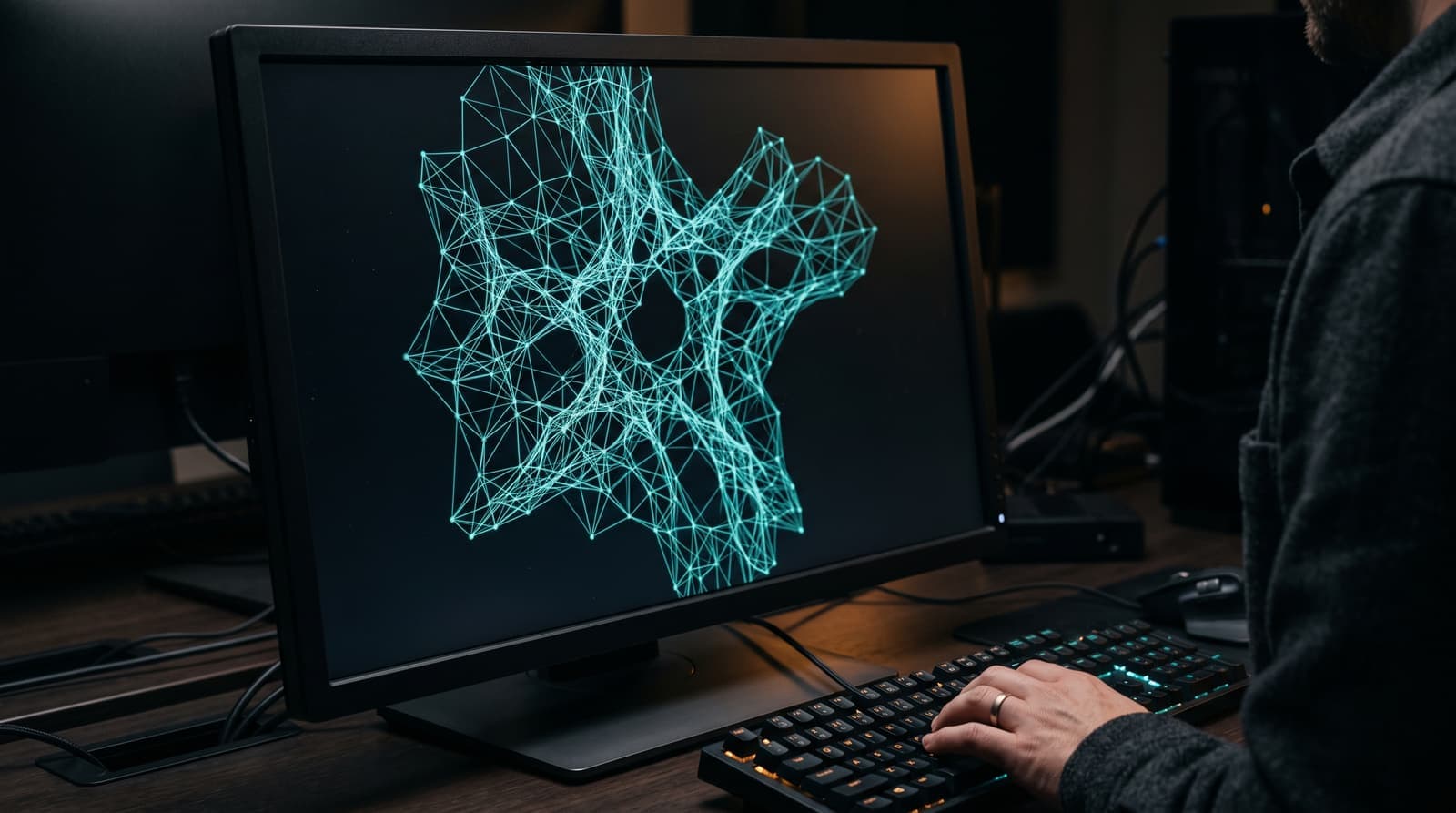
Generative design uses AI to explore thousands of design variations based on constraints like load requirements, material properties, cost limits, and environmental conditions. Instead of an engineer designing one or two options and choosing the best, the AI generates hundreds of optimized solutions. The engineer then selects and refines the most promising ones. This approach has already produced structures that are lighter, stronger, and more material-efficient than traditionally designed alternatives. Companies like Autodesk have demonstrated generative design in aerospace and automotive — but the potential in civil infrastructure is even larger.
Digital Twins and Real-Time Monitoring
A digital twin is a virtual replica of a physical structure that updates in real time based on sensor data. Combined with AI, digital twins can simulate how a building or bridge will respond to earthquakes, extreme weather, or unusual loads — before these events happen. India's smart city initiatives are beginning to incorporate digital twins for urban planning, but the technology's potential for individual structures — dams, metro stations, defense installations — is largely untapped.
AI-Driven Material Science
AI is accelerating the discovery of new construction materials. Machine learning models can analyze the molecular structure of materials and predict properties like tensile strength, thermal resistance, and longevity — dramatically reducing the time and cost of material testing. Researchers are using AI to develop self-healing concrete, ultra-high-performance composites, and sustainable alternatives to traditional steel and cement. For a country like India, which consumes over 300 million tonnes of cement annually, even small improvements in material efficiency have enormous implications.

What TSS Is Doing
At TSS, AI isn't a buzzword — it's a core vertical. We're exploring how large language models can assist in structural analysis documentation, how computer vision can automate construction site monitoring, and how predictive algorithms can extend the lifespan of critical infrastructure. Our approach is to combine deep engineering knowledge with cutting-edge AI capabilities. We believe the future of structural engineering isn't AI alone or humans alone — it's the two working together, each amplifying the other's strengths.
The Road Ahead
AI in structural engineering is still in its early chapters. The technologies exist, but adoption — especially in emerging markets like India — is just beginning. The organizations that embrace AI-driven engineering now will have a significant advantage in the decades to come. The structures they build will be smarter, safer, more efficient, and more resilient. At TSS, we intend to be at the forefront of that transformation.
The future of engineering is intelligent. We're building it.
— TSS Team